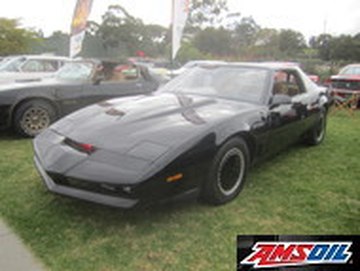
Engine Lubrication and Maintenance for the 1982 Pontiac FIREBIRD 2.5L
Maintaining a vehicle from the early 1980s requires a shift in perspective compared to modern automotive care. For owners of a 1982 Pontiac FIREBIRD equipped with the 2.5L engine, routine service is not just about following a schedule; it is about active monitoring and understanding how aging components interact with various fluids. Proper lubrication management is a cornerstone of preserving the mechanical integrity of this engine over time.
Monitoring Fluid Integrity and Potential Leaks
As vehicles age, the materials used in gaskets and seals can undergo changes in elasticity. For the 1982 Pontiac FIREBIRD 2.5L, regular visual inspections are a practical way to stay ahead of potential issues. Rather than waiting for a significant loss of fluid, an owner should look for signs of seepage around various engine junctions.
When performing routine checks, pay close attention to the following areas:
- Sealing Surfaces: Inspect the areas where major engine components meet to check for any evidence of weeping or dampness.
- Drain Areas: Check the area around the oil drain plug and the underside of the engine for fresh fluid deposits.
- External Connections: Look for signs of moisture near electrical connectors or sensor housings that might be affected by migrating fluids.
If you notice any new wetness or staining on the engine block or under the vehicle, it warrants investigation. It is important to remember that a small amount of seepage does not always indicate an immediate failure, but tracking these observations helps establish whether a condition is stable or progressing.
Observing Changes in Engine Performance and Appearance
Beyond visual inspections for leaks, owners should remain observant of how the engine behaves during operation. Subtle changes can often serve as early indicators that maintenance may be required sooner than expected. Because symptoms can have multiple underlying causes, any change should be viewed as a prompt for closer inspection rather than a definitive diagnosis.
Consider the following observations during your routine checks:
- Lubricant Appearance: If you are able to check the oil level using a dipstick, note the color and consistency. Significant darkening or a gritty texture can indicate that the lubricant is no longer performing its intended role effectively.
- Unusual Noises: Listen for changes in the engine's rhythmic sound during startup or while idling. While many sounds are normal for an older engine, new or inconsistent mechanical noises should be investigated.
- Exhaust Observations: Changes in the color or clarity of exhaust gases can sometimes be associated with how the engine is managing its internal fluids.
If any of these signs occur, it is wise to consult service documentation or a professional to determine the exact cause, as many different components can produce similar symptoms.
Prioritizing Long-Term Engine Care
For an owner of a 1982 Pontiac FIREBIRD, effective maintenance is often about distinguishing between what needs immediate attention and what can be managed through consistent monitoring. If you do not have a complete service history for the vehicle, your first priority should be establishing a baseline.
Establishing this baseline involves documenting current fluid levels, the condition of visible hoses or belts (if equipped), and any existing minor leaks. Once you know the "normal" state of your 2.5L engine, it becomes much easier to identify when something has changed. Keeping a dedicated log of when oil is changed, which products are used, and any observed irregularities provides invaluable data for long-term ownership.
When deciding how to allocate maintenance efforts, address active concerns first. If there is evidence of a leak or a change in fluid consumption, that should take precedence over general preventive tasks. This condition-based approach ensures that you are responding to the actual needs of your specific engine rather than following a generic set of assumptions.
The Role of Lubrication in Engine Longevity
Engine oil performs several vital roles that are essential for the continued operation of the 2.5L powerplant. While much of this happens internally, the effects of proper lubrication are visible through the engine's overall health and cleanliness. Effective lubricants help manage heat by absorbing thermal energy and assist in reducing friction between moving parts.
Furthermore, high-quality lubricants are designed to control the buildup of deposits and sludge. Over time, the chemical breakdown of oil can lead to the formation of substances that may interfere with engine components. Using a lubricant that maintains its stability helps prevent these accumulations, ensuring that the internal environment remains as clean as possible. For older engines, some high-mileage formulations include seal-conditioning additives which are intended to help maintain the flexibility of aging seals, though they are not a substitute for repairing significant leaks.
Practical Steps for Effective Maintenance
To keep the 1982 Pontiac FIREBIRD running smoothly, integrate small, frequent checks into your routine. Instead of waiting for a major service interval, take a moment during every other fuel fill-up to glance under the hood or beneath the car. This habit makes it much easier to catch minor issues before they escalate into more complex mechanical problems.
If your vehicle is equipped with various belts or hoses, inspect them for signs of deterioration such as cracking, glazing, or fraying. While these components are separate from the lubrication system, their condition is a key part of overall engine health. Similarly, ensuring that the air filtration system is clean helps prevent contaminants from entering the combustion process, which indirectly protects the engine oil from premature degradation.
Buying Engine Oil for your 1982 Pontiac FIREBIRD 2.5L
When it is time to replenish your engine's lubricant, the most important step is to ensure the product matches the specific requirements of your application. Do not rely on general knowledge or assumptions based on the age of the vehicle, as different engines have unique needs regarding oil chemistry and thickness.
To select the correct product, match the engine oil to the application-specific viscosity information already displayed on this webpage. Before finalizing your purchase, always check the product labeling to verify that it meets the appropriate API certification for your needs. Depending on your specific driving habits and the current condition of your engine, you may choose between conventional, synthetic blend, or full synthetic formulations. If you are managing an engine with higher mileage, you might also consider high-mileage formulations designed with specific additives in mind. Always prioritize the technical specifications provided in the application information above to ensure the best possible care for your 2.5L engine.